Greek vs Polish Food Culture – Eating Habits, Mealtimes, Key Indegrediens
- Eating Habits
Greece:
- Mediterranean diet – considered one of the healthiest in the world.
- Food is treated as a social ritual – meals are often eaten together, slowly, and without rush.
- Abundance of vegetables, olive oil, fish, and seafood.
- Moderate meat consumption (mainly lamb and chicken).
- Frequent snacks (meze) – small portions served with wine or ouzo.
Poland:
- Heavier, more filling cuisine – dominated by flour-based dishes, potatoes, and meat (pork, poultry).
- Traditional cooking based on seasonality (fermented vegetables in winter, fresh produce in summer).
- Soups play a major role in daily meals (e.g., chicken broth, beet soup, sour rye soup).
- Meals are usually homemade and substantial – fewer snacks, more full dishes.
⸻
- Meal Times
Greece:
- Breakfast: light, often just coffee and something sweet (e.g., pastry, yogurt).
- Lunch (mesimeriano): the main meal of the day, eaten around 2:00-3:00 PM.
- Dinner (vradino): eaten late, even after 8:00-9:00 PM, often outside the home.
- Frequent snacking during the day – fruits, snacks, coffee.
Poland:
- Breakfast: hearty, with eggs, bread, cold cuts, and cheese.
- Dinner (obiad): the main meal, usually between 1:00-4:00 PM, consists of two courses (soup + main dish).
- Supper (kolacja): eaten around 6:00-8:00 PM, usually light but filling.
- Eating out is less common; home-cooked meals are the norm.
⸻
- Key Ingredients
Greece:
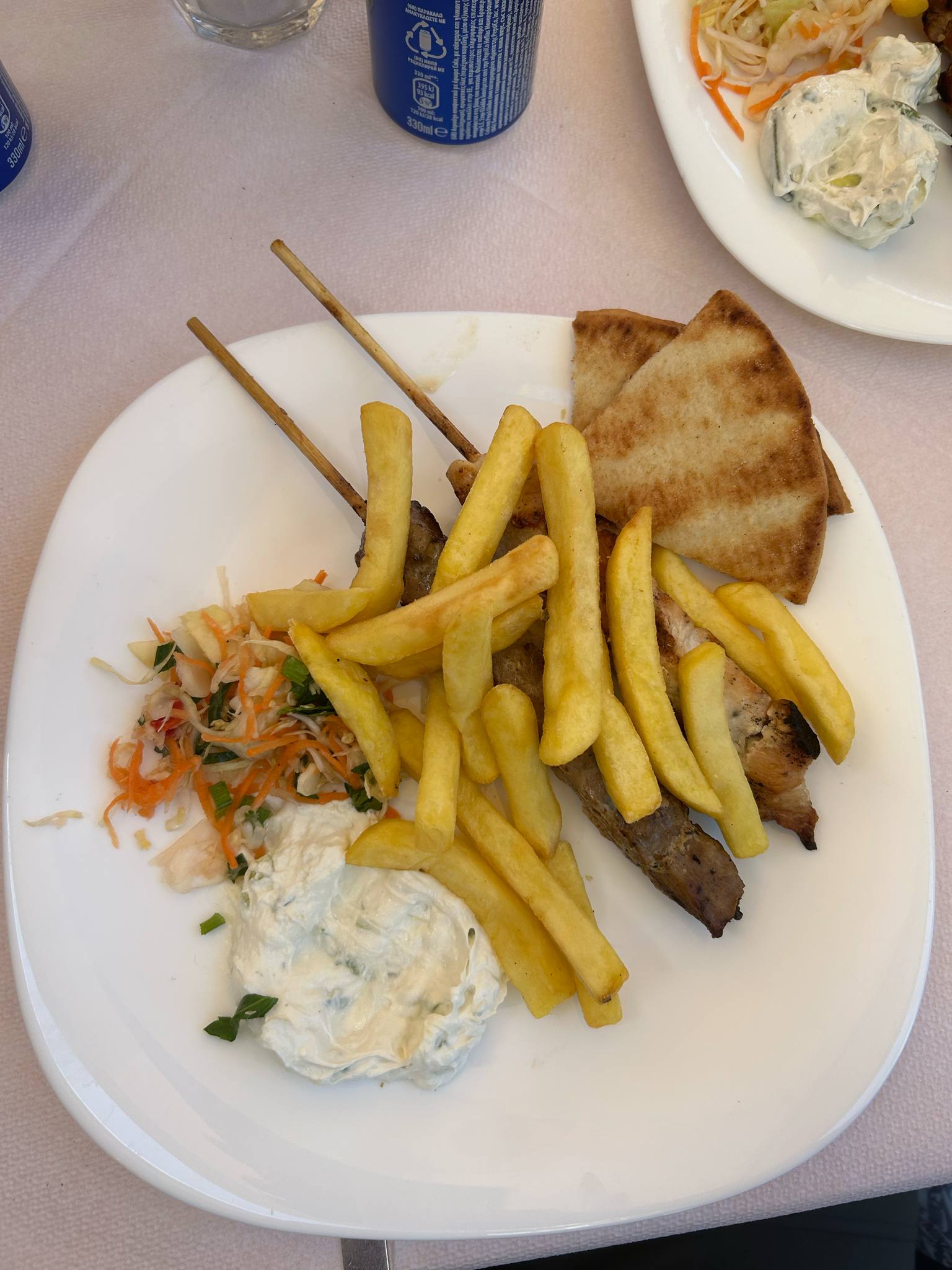
- Olive oil (the base of nearly every dish)
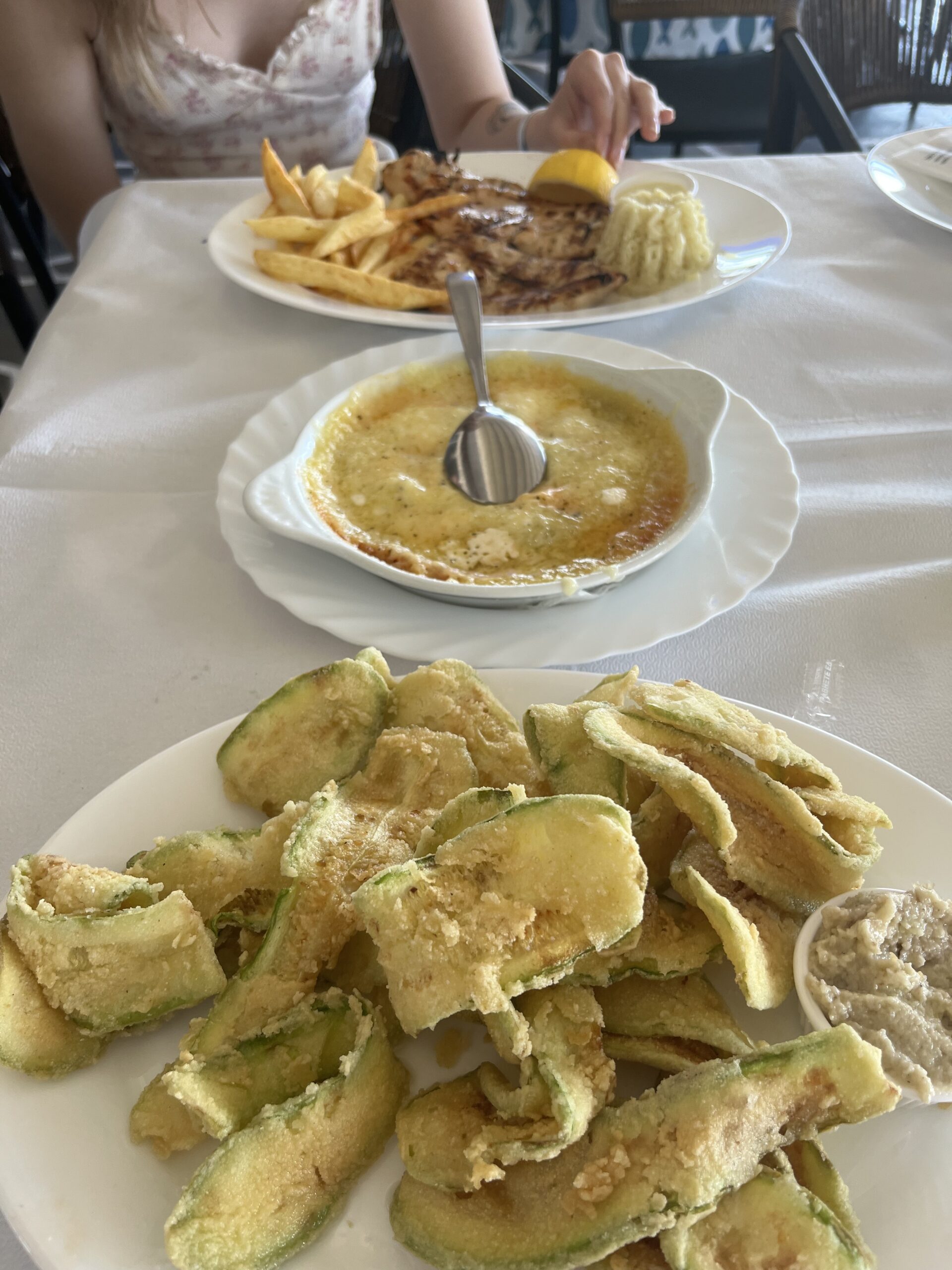
- Tomatoes, eggplants, zucchini, peppers, onions
- Seafood, fish
- Feta cheese, Greek yogurt
- Herbs: oregano, mint, thyme
Poland:
- Potatoes, cabbage, beets, carrots, onions
- Meat: pork, poultry, beef
- Fermented foods: pickled cucumbers, sauerkraut
- Mushrooms (often foraged)
- Sour cream, butter, flour, eggs