Traditional professions in Pieria – what has survived and what is disappearing?
Traditional Professions That Have Survived in Pieria
- Agriculture and Livestock Farming
- Pieria remains an agricultural region, producing wheat, corn, olives, and fruits like peaches and kiwis.
- Livestock farming, especially for dairy and meat production, continues in rural areas.
- Though mechanized today, many farming families maintain multi-generational agricultural traditions.
- Fishing and Aquaculture
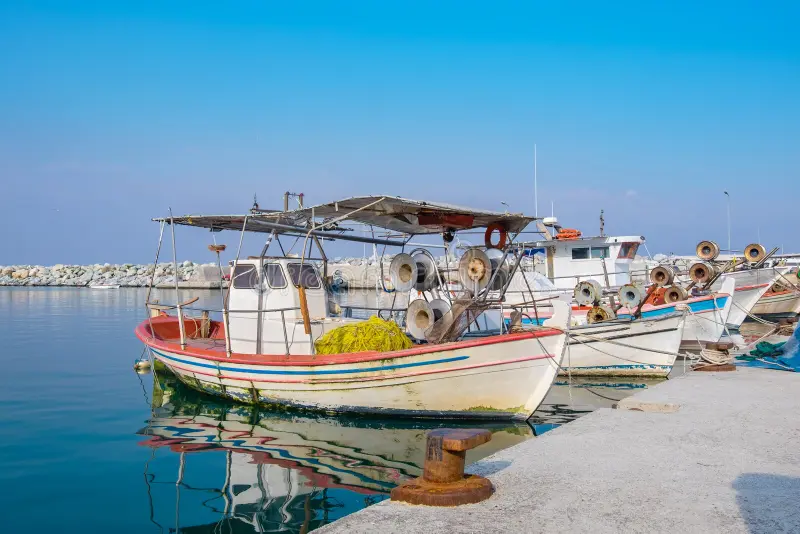
- Coastal communities still engage in fishing.
- Pieria is one of Greece’s top producers of mussels, especially in the area around Kitros – accounting for about 60% of Greece’s mussel output.
- Tourism and Cultural Professions
- Traditional festivals like the Olympus Festival and Folklore Dance Festivals keep local culture alive.
- Artisans and performers still participate in these events, preserving dance, costume-making, and music traditions.
- Mosaic Art and Cultural Crafts
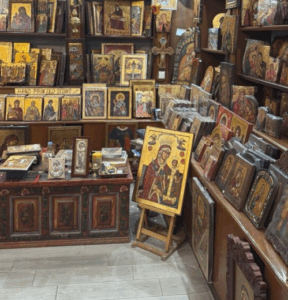
- In Dion, workshops and exhibitions continue the craft of Byzantine-style mosaics, offering education and tourism value.
- Museums in the region display and support the preservation of folk art and historical tools.
Traditional Professions That Are Disappearing
- Textile Weaving and Embroidery
- Once common in rural households, traditional weaving (e.g., on a loom) is now rare.
- Mostly survives through folklore associations or for display in museums.
- Woodworking and Blacksmithing
- These crafts have declined due to industrial production and imported goods.
- Only a few artisans remain, often producing decorative or souvenir items.
- Small-Scale Family Farming
- Young people are moving to urban areas, leaving behind small farms.
- Large agricultural companies or cooperatives dominate today’s production.
Cultural Revival Efforts
- Local folklore groups and museums (like the Pontian Folklore Museum in Katerini) are preserving traditional crafts, tools, and clothing.
- Events like the “Burning of the Cedar” in Litochoro revive ancient customs, keeping local identity strong despite modernization.