Health on a plate – the Mediterranean diet from a student’s perspective.
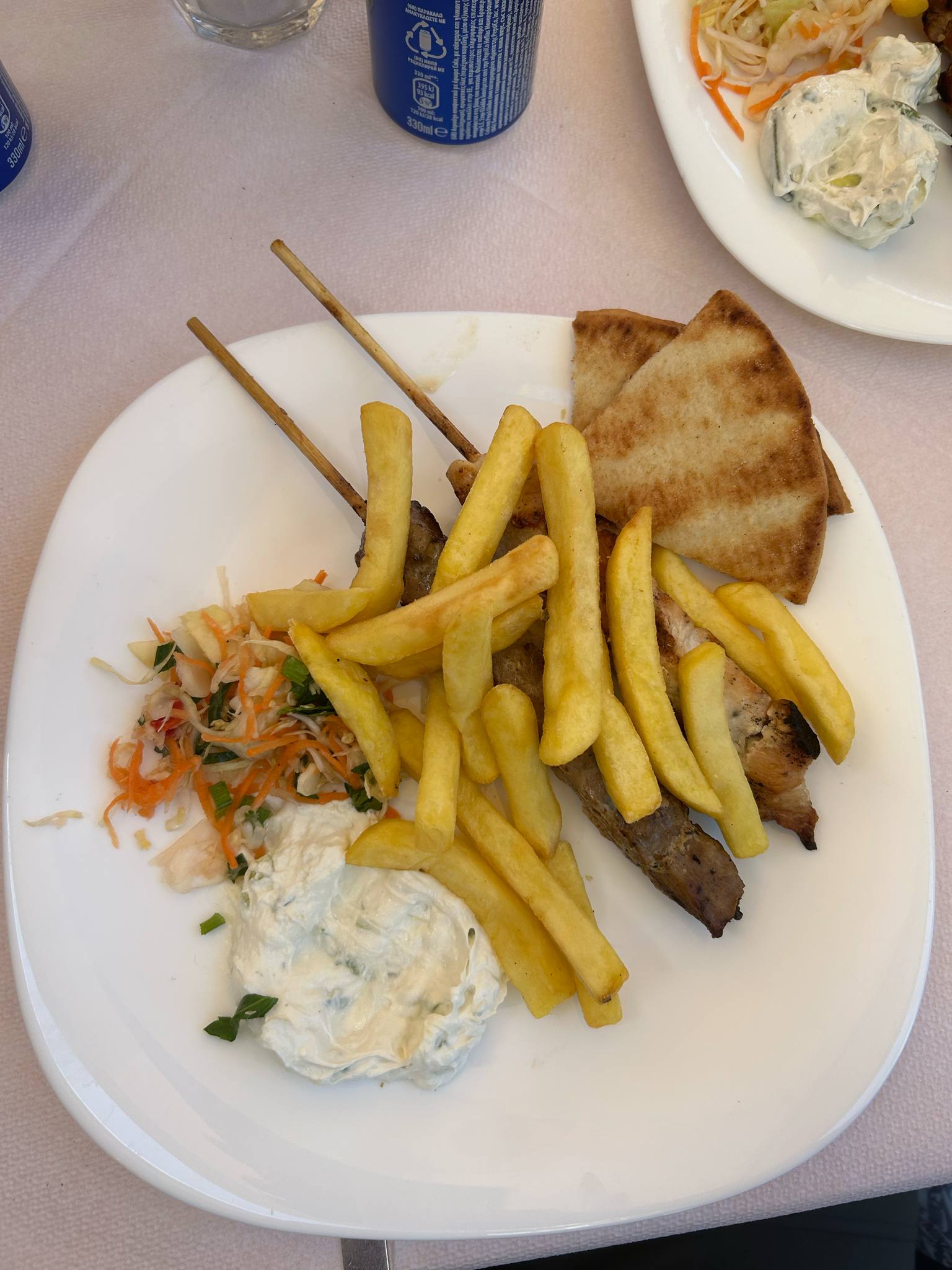
On the one hand, it is one of the best documented nutritional models, recommended by dietitians and doctors around the world, on the other – for a student it can be a logistical, financial and organizational challenge. The Mediterranean diet is based on fresh and unprocessed products – vegetables, fruit, olive oil, fish, whole grains, nuts and legumes. The focus is not on meat, but on variety and moderation. For a student, this means a chance to eat in a simple but valuable way. Many young people see this diet as more than just food – it is a lifestyle that combines health, balance and the social aspects of cooking or eating together.
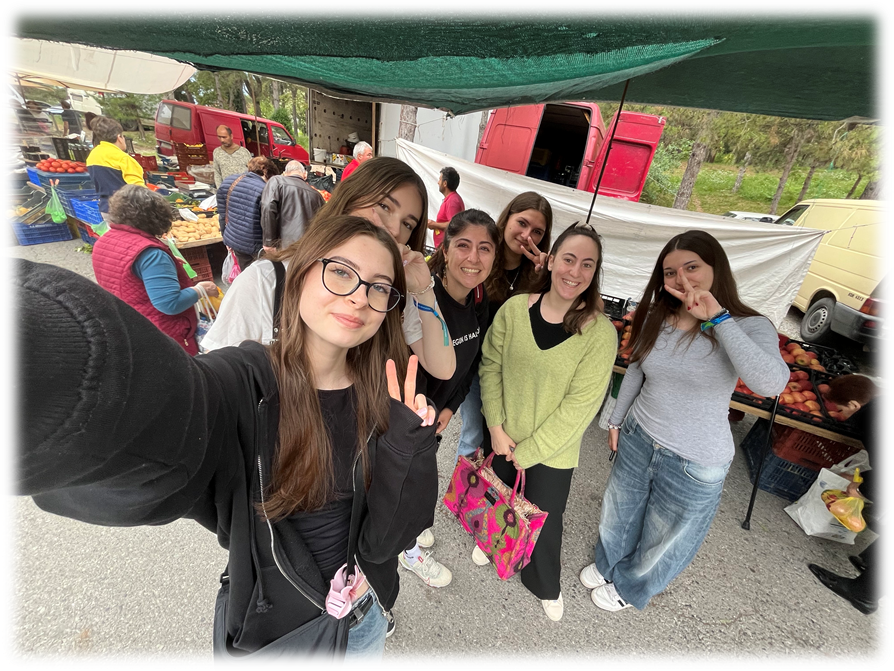
On the other hand, students often struggle with a limited budget, lack of time or access to the right products. In countries such as Greece, the Mediterranean diet is part of the culture and tradition, so for a student it is a natural choice. In Poland, on the other hand, although increasingly popular, it requires greater commitment and conscious planning of purchases. For many students, the great advantage of this diet is the possibility of composing simple and quick meals – such as salads with olive oil, pasta with vegetables or baked vegetables with chickpeas.
From a student’s perspective, the Mediterranean diet is also a way to improve concentration, well-being and energy – which is important during studying or exam sessions. More and more young people combine it with physical activity and taking care of their mental health, which fits into the broader trend of taking care of oneself in a holistic way.