Youth culture in Greece and Poland – lifestyle, interests, and values compared.
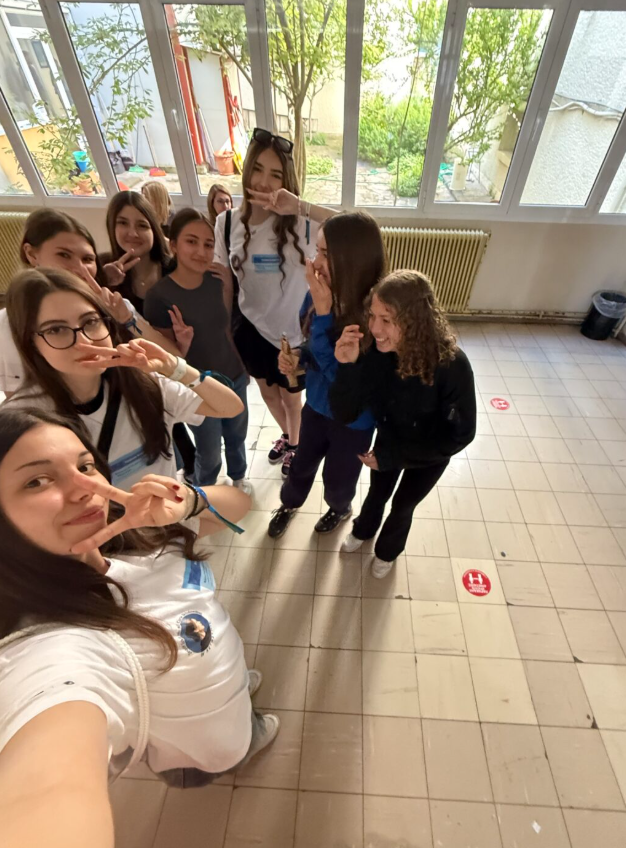
Youth culture in Greece and Poland reflects both common European trends and unique characteristics resulting from local traditions, history and socio-economic conditions.
Greece
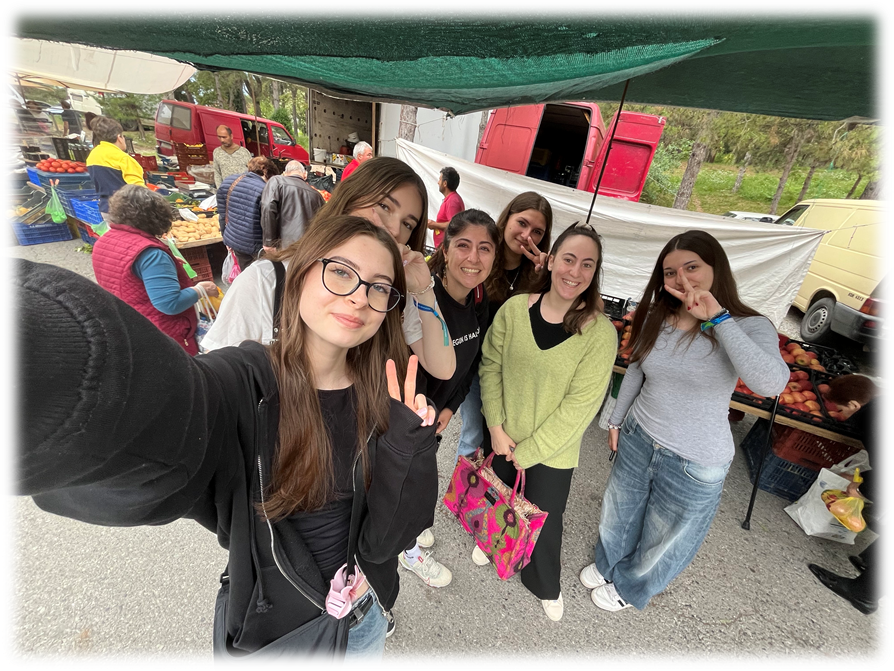
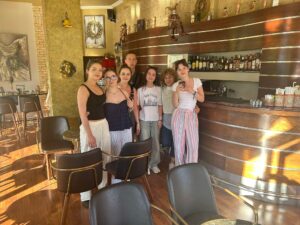
• Lifestyle: Young Greeks value social and family relationships. They often live with their parents until the late 1920s, which is due to both the strong family ties and the country’s economic situation. Social gatherings in cafes and outdoors are popular, and the approach to time is more flexible, characteristic of Mediterranean culture.
• Interests: Greek youth spend time mainly meeting friends and using social media. Participation in cultural events such as theatre or concerts is relatively low compared to other European countries.
• Values: The family plays a central role in the lives of young Greeks. They value solidarity, hospitality and loyalty to loved ones. Religion is also important, although its impact on young people may be less than in older generations.
Poland
• Lifestyle: Young Poles strive for financial and housing independence, although they often encounter difficulties related to the labor market and real estate prices. They actively spend time outdoors, playing sports or participating in cultural events.
• Interests: Multimedia and the Internet dominate – young people use social media, listen to music, watch movies and series online. Japanese culture, including manga and anime, is also gaining popularity, which influences the fashion and language of young Poles.
• Values: Family and health are highly valued, but the importance of independence, self-realization and professional success is growing. Young Poles are more open to social diversity, although they have different attitudes towards social issues.