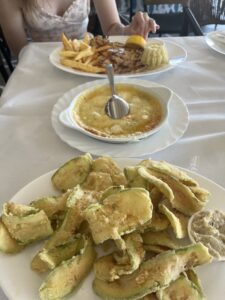
How the eating habits of the region’s residents are changing? – between tradition and modernity

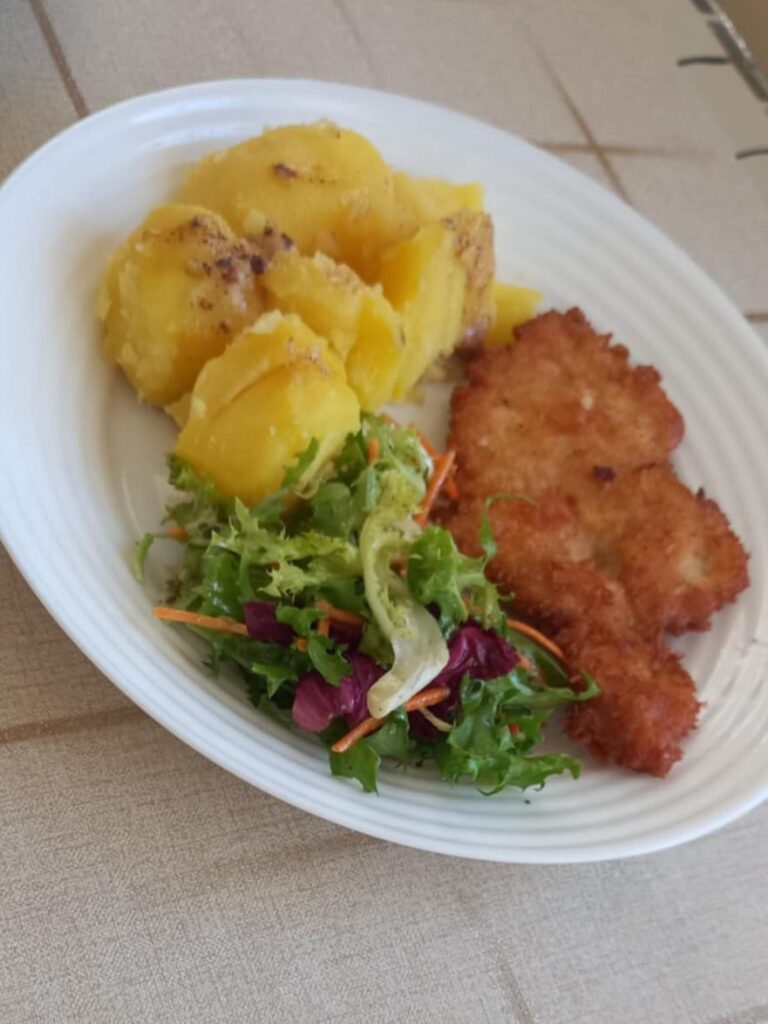
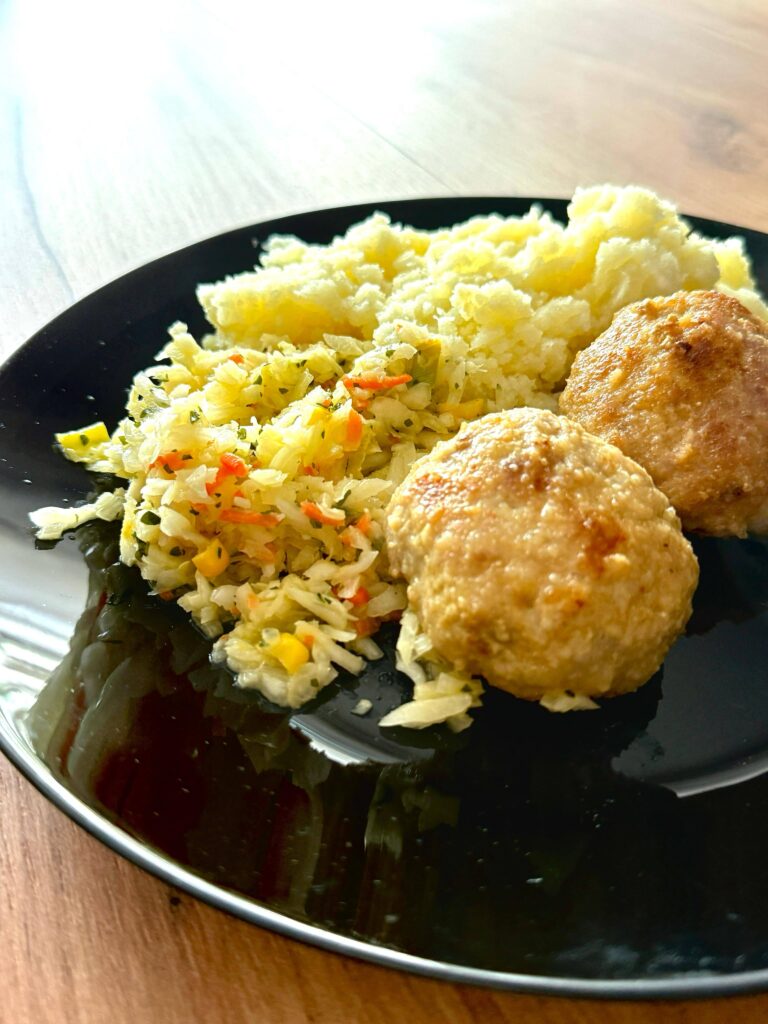
The eating habits of the inhabitants of Kętrzyn, as in the whole of Poland, evolve under the influence of a combination of tradition and modernity. The region’s traditional cuisine is based on local products such as potatoes, pork, fish and mushrooms. In recent years, however, there has been a growing interest in a healthier lifestyle and plant-based diets. According to research, 10% of adult Poles converted to vegetarianism, and 4% to veganism. The growing awareness of consumers makes them look for information about the origin of food, methods of its production and health benefits.
The COVID-19 pandemic has also affected the change in eating habits. Many Poles began to cook at home more often, experiment in the kitchen and pay more attention to the quality of their products. In addition, more than 40% of Poles declare that during the pandemic they began to eat better, increasing the consumption of vegetables and fruits and limiting meat in the diet.
Polish cuisine abounds in a variety of traditional dishes that have been on our tables for generations. Here are some of the most famous dishes:
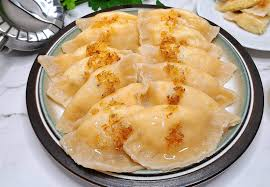
• Pierogi: Semicircular dough pockets filled with a variety of stuffings, such as meat, cabbage with mushrooms, cheese or fruit.
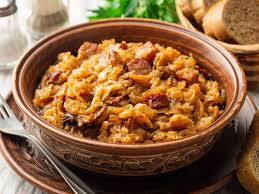
• Bigos: An aromatic dish of sauerkraut, various meats, sausages, prunes and mushrooms, long stewed for a deep flavor.
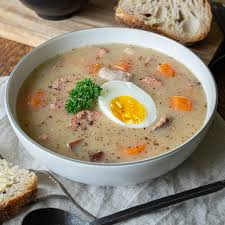
• Żurek: Sour soup with rye sourdough, often served with white sausage and hard-boiled egg.
Contemporary Polish cuisine combines traditional flavors with modern culinary techniques and inspirations from different cultures. Here are some examples of such innovative dishes:
• Vegetarian cabbage rolls: Traditional cabbage rolls stuffed with millet groats and forest mushrooms, which are a plant-based alternative to the classic meat version.
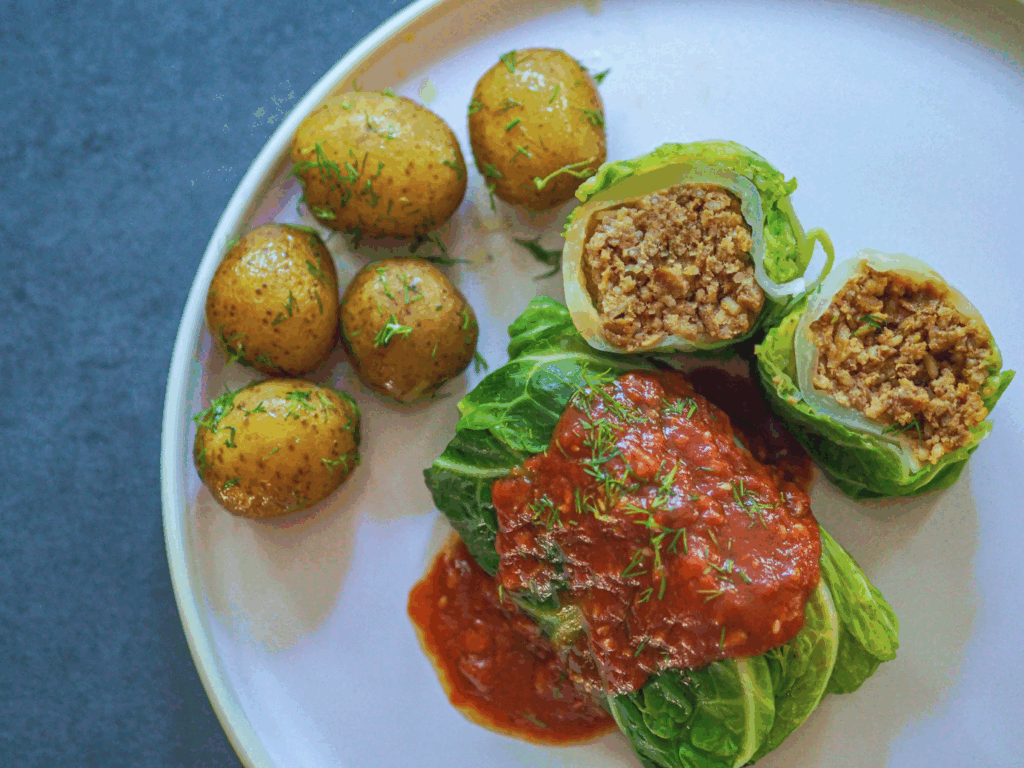
• Pizza in Silesian: A pizza variant inspired by Silesian cuisine, with horseradish sauce, white sausage, smoked bacon, red onion and mozzarella and gouda cheeses.
In recent years, there has been an increase in interest in the consumption of regional and local products in Poland. Retail chains such as Biedronka have introduced programs to support small producers, allowing them to reach a wider range of customers. An example is the “Time to Support Small Producers” initiative, thanks to which more than 200 products from 135 local suppliers went on sale in the stores of this chain.
In the Warmian-Masurian Voivodeship, which belongs to Kętrzyn, the local government allocated PLN 250,000 to organize events promoting culinary heritage and natural and traditional food.
Modern technologies offer a number of innovative solutions to support healthy eating. Here are some of them:
Mobile apps for diet monitoring
Apps allow you to track calories consumed and nutritional values of meals, which helps in controlling diet and achieving health goals.
Smart kitchen appliances
Modern food processors allow you to quickly and easily prepare healthy meals, which can promote the elimination of highly processed products from the diet.
Body composition analysis technologies
Advanced devices allow accurate monitoring of parameters such as muscle mass, amount of body fat or water content in the body, which allows you to better adjust the diet to individual needs.
The use of these technologies can significantly facilitate a healthy lifestyle through better diet management and informed nutritional decision-making.