Polish Folk Culture in Warmia and Masuria


Warmia and Masuria is a region full of magic, where nature meets deeply rooted traditions. While exploring this corner of Poland, it’s impossible not to appreciate the richness of festivals and customs that have been passed down through generations — “the older teach the younger.”
Cultural Roots
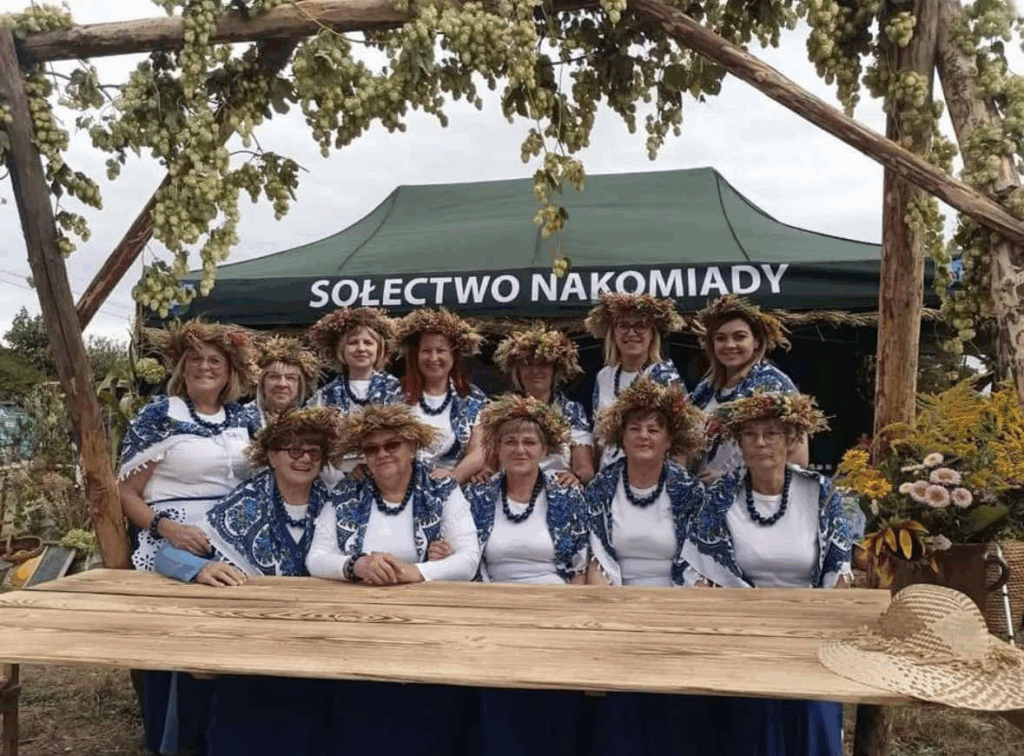
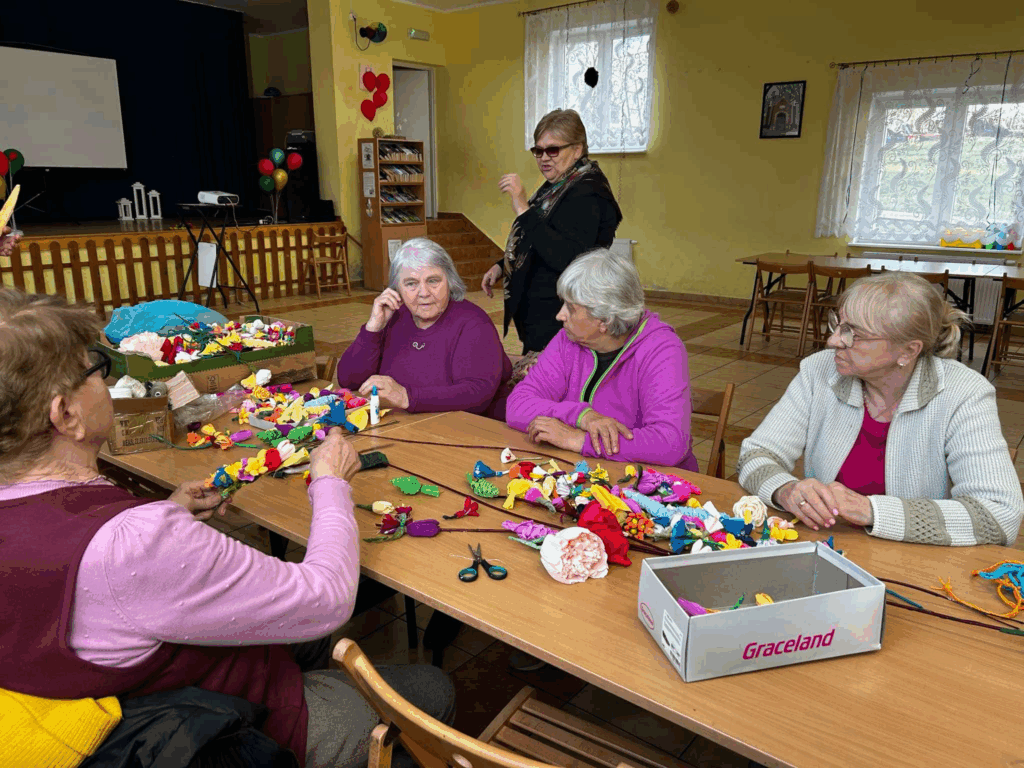
Nothing represents Polish tradition better than village life. In the countryside, women have formed homemakers’ circles for generations. These groups are responsible for organizing various holidays and community events like harvest festivals (Dożynki), Kupala Night, and Christmas Eve. Women of all ages gather in a set location, usually the village hall, to plan, prepare decorations, and support one another. Their motto: “With a bit of will, anything is possible.”
Festivals and Celebrations
Every celebration is deeply meaningful, and locals pay close attention to every detail.
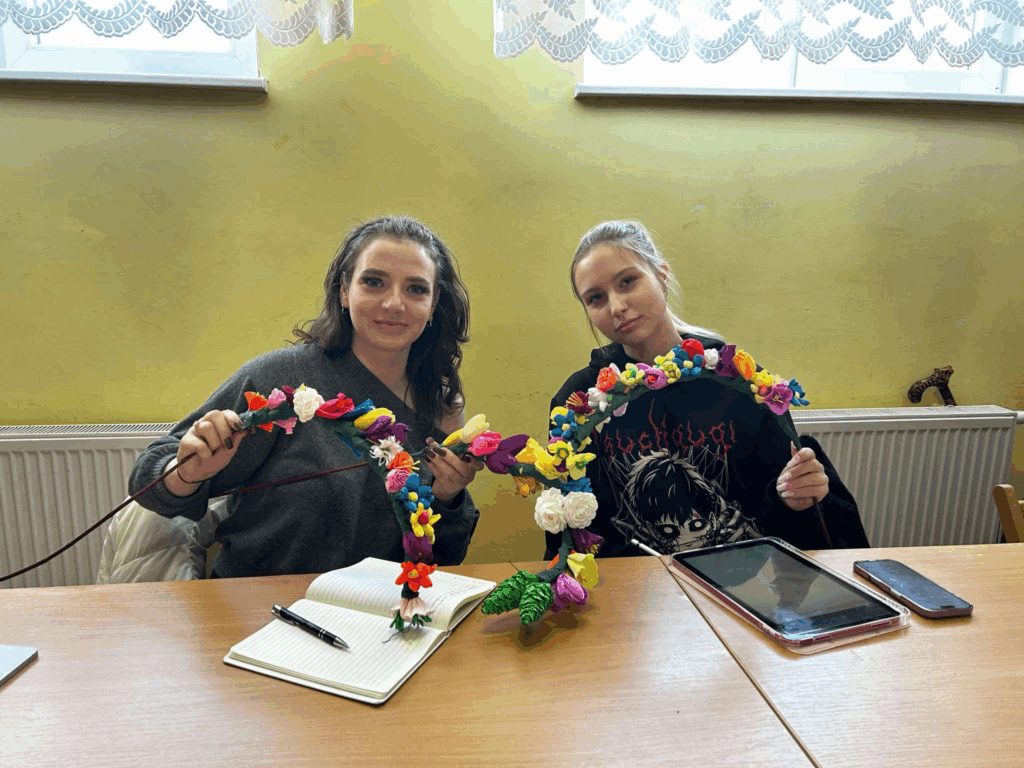
Let’s start with Dożynki — a traditional harvest festival combined with rituals giving thanks for the end of the farming season. From April to September, villagers prepare handmade wreaths from dried grain for contests, decorate their villages, and cook traditional food.
Kupala Night (or St. John’s Night), celebrated between June 23rd and 24th, marks the summer solstice. Customs practiced include gathering herbs and flowers to decorate people, animals, and homes, swimming in rivers, releasing flower wreaths onto the water, dancing, and singing. “We used to float flower wreaths down the river.”
Folk Cuisine
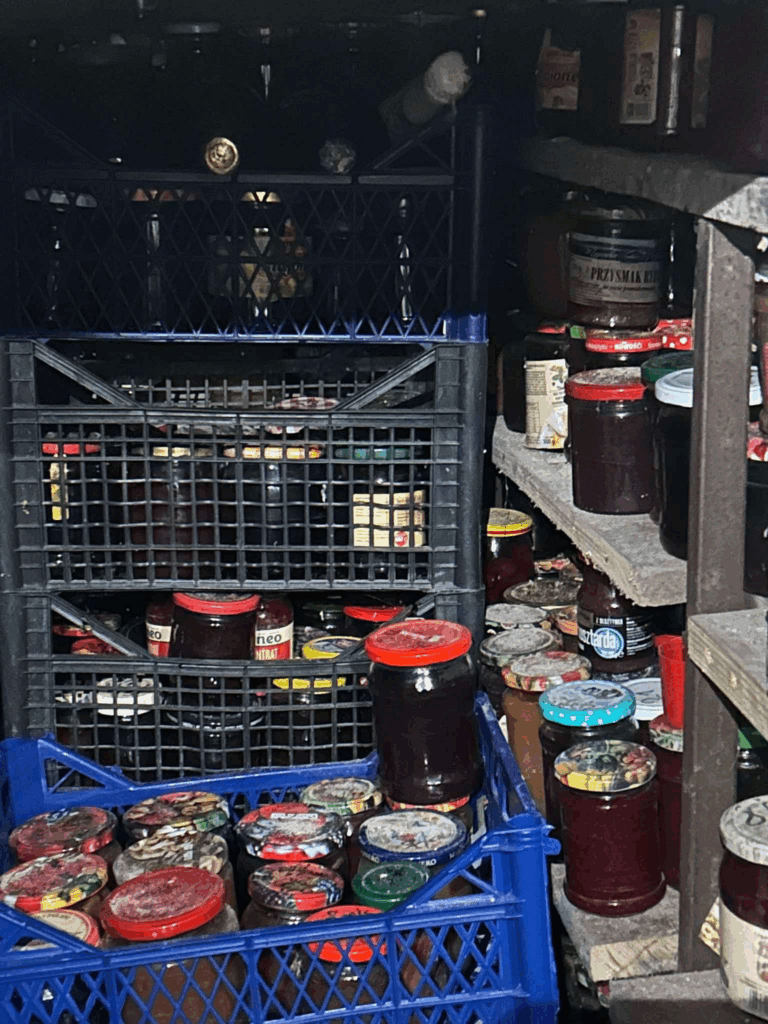
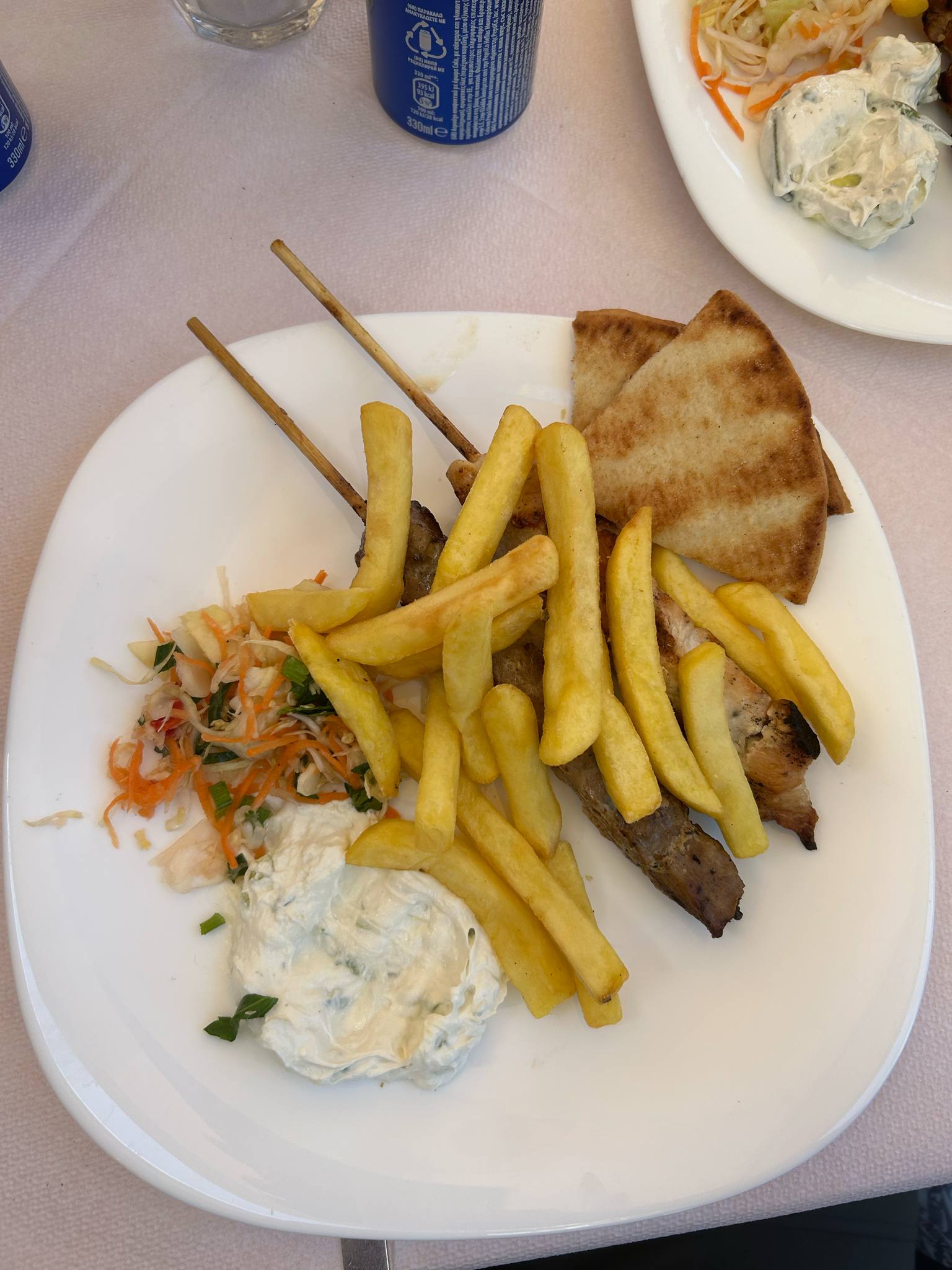
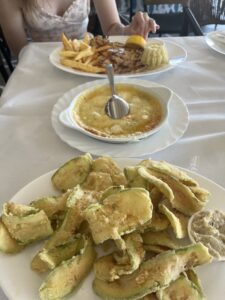
For each celebration, traditional food is lovingly prepared. You’ll find pierogi, kartacze (also known as cepeliny), homemade bread and lard, pickled cucumbers, bigos, świeżonka (a kind of meat stew), cream cakes, and homemade liqueurs like wiśniówka. It’s common for grandmothers or mothers to prepare preserves such as jams, juices, tinctures, and wines, which are usually stored in well-equipped cellars.
Beliefs and Superstitions
While people in Poland follow various religions, the majority are Christian and take part in religious processions and pilgrimages. Despite religious traditions, old folk beliefs and superstitions are still alive and passed on from generation to generation — and they likely will be for years to come.
Folk Costumes
Folk costumes vary from region to region, town to town, and even village to village. A typical example of a village housewife’s outfit in Warmia and Masuria includes long blue skirts, white blouses, blue-and-white embroidered scarves, navy blue bead necklaces, and floral head wreaths.
Why Is It Worth Discovering Local Culture?
Learning about the traditions of Warmia and Masuria offers a deeper understanding of the region’s identity. These customs help residents cherish their roots, while visitors have the chance to experience an authentic atmosphere unlike anywhere else in Poland. Every festival is like a small celebration of culture, where history meets modern life, and tradition blends into the everyday.